Middle East Women Leaders Push the Conversation from Representation to Real Influence

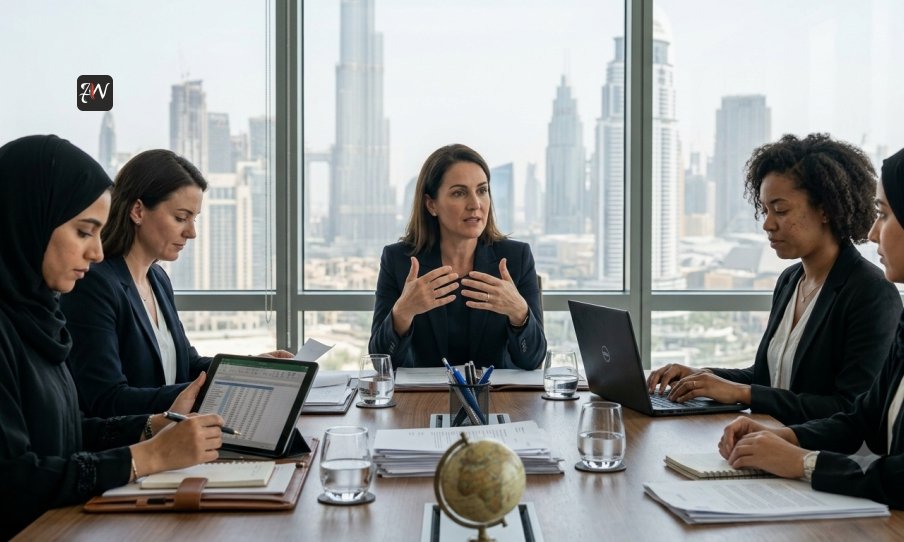
The Middle East’s women’s leadership conversation is entering a more mature phase. The emphasis is increasingly shifting from simply increasing representation to understanding how women can exercise meaningful influence across business, government, diplomacy and economic decision-making.
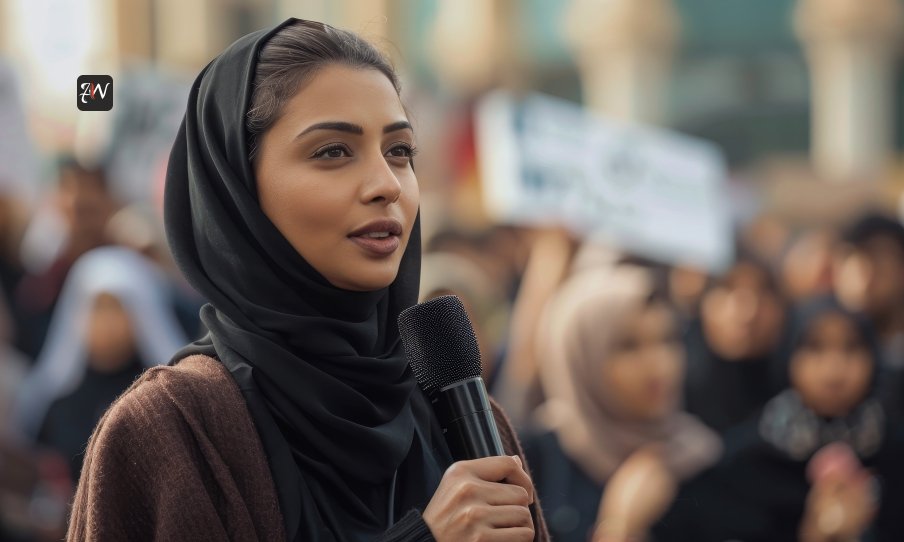
That evolution was visible at the 7th Middle East Women Leaders Summit, held in Riyadh in February 2026. The summit brought together regional and international voices to discuss leadership, alliances, diplomacy and women’s inclusion in global decision-making. UNDP Saudi Arabia participated in the event, contributing to discussions around purpose-driven leadership and women’s global inclusion.
The significance of such forums extends beyond the events themselves.
The Middle East is undergoing a period of economic and institutional transformation. Saudi Arabia is diversifying its economy under Vision 2030, the UAE continues to strengthen its position as a global business hub, and other GCC economies are investing in technology, sustainability, tourism, finance and knowledge-based industries.
These changes require new forms of leadership.
Women are increasingly participating in those transformations as executives, entrepreneurs, government officials, investors, academics and industry specialists. Their expanding presence is changing the leadership landscape across the region.
But representation and influence are not the same thing.
A woman may hold a senior title without necessarily controlling major strategic decisions. Meaningful leadership requires access to information, capital, executive responsibilities, governance roles and decision-making authority.
This distinction is particularly relevant in corporate leadership.
The GCC Board Gender Index 2026 shows that women hold 7% of board positions across listed companies in the region. The UAE leads the GCC, while other markets continue to work toward stronger female representation.
The numbers demonstrate progress, but they also reveal the scale of the remaining challenge.
Leadership development therefore needs to become more strategic.
Women preparing for senior roles need access to executive sponsorship, board-readiness programmes, international networks, financial expertise and opportunities to lead complex transformation initiatives. Organisations must also ensure that women are included in succession planning rather than treated as a separate diversity initiative.
The UAE has developed several programmes that reflect this approach. The Dubai Women Establishment, for example, offers programmes focused on international boards, innovative leadership and entrepreneurship.
Saudi Arabia is also building its women’s leadership pipeline as female participation in the labour market continues to grow. Vision 2030 reporting shows that Saudi women’s labour-force participation has risen substantially since 2016, reaching 36% in 2024 and prompting the Kingdom to establish a more ambitious 40% target.
These developments suggest that the region’s approach is becoming increasingly multidimensional.
Women’s leadership is no longer being discussed solely through the lens of employment. It is connected to entrepreneurship, corporate governance, diplomacy, economic diversification and international competitiveness.
There is also an important generational effect.
When women reach influential positions, they create visible leadership pathways for younger professionals. Their careers provide practical examples of how women can progress through sectors that were once less accessible to them.
However, individual success stories cannot substitute for systemic change.
Businesses and institutions need leadership structures that consistently identify, develop and promote women. Mentoring can provide guidance; sponsorship can create opportunities; governance programmes can build technical expertise; and transparent promotion systems can ensure that advancement is based on capability rather than informal networks.
The Middle East has already demonstrated that change can happen quickly when institutions establish clear objectives and invest in the necessary infrastructure.
The next phase is about depth.
The region does not simply need more women in leadership photographs, conferences and organisational charts. It needs more women participating in the decisions that determine investment, innovation, employment, policy and economic growth.
That is why the conversation around women’s leadership is changing.
The question is no longer whether women belong at the table.
It is whether they have the authority, visibility and influence to help decide what happens there.